Boat electrical problems are the number one source of 'it just died on me' calls - and in most cases the failed part isn't failed at all. Marine wiring lives in a hot, vibrating, wet environment, and 80% of electrical issues trace back to connections, corrosion and grounds. Before you buy a single part, run this diagnostic order.
1. Battery: the first suspect
Measure battery voltage at rest: 12.6V+ is a full charge, 12.4V is about 75%, below 12.2V is weak. Then test under load - the voltage that matters is the one while cranking. A battery that reads 12.6V sitting on the bench but drops to 9V when you key the starter is done, or its connections are lying to you. Clean, tighten and grease both terminals before anything else.
2. Corrosion: the silent killer of marine wiring
Corrosion on terminals, fuse holders and ground lugs causes voltage drop that makes components underperform or fail entirely. Battery posts, the negative bonding point, and any inline fuse holder are the usual spots. Pull each connection, clean with a wire brush, apply dielectric grease, and re-torque. A $10 can of grease fixes more 'electrical gremlins' than any parts store order.
3. Starter clicks, nothing turns
- Click with no crank: battery dead or a bad main connection - load test wins over guesswork
- Click-click-click fast: usually low voltage, check battery and cables
- Single strong clunk: starter solenoid engaged but not turning the flywheel - worn starter or gear
- Nothing at all: check the neutral safety switch, ignition switch and battery switch position
A dragging starter motor draws massive current and cooks cables - if the cables feel warm after cranking, the starter (or a bad connection) is pulling too hard.
4. Battery drains overnight
House loads left on (radio memory, bilge pump on manual, fish finder) are the usual culprits. An ammeter test - disconnect the negative cable and measure draw - tells you exactly how much. Under 50mA is normal; anything more, start pulling fuses one at a time until the draw disappears. That fuse names the thief.
5. Intermittent issues at speed
Wiring that fails only when running - gauges drop, engine stumbles, electronics reset - points to vibration chafing a wire against a bracket or bulkhead, or a loose ground that flexes under acceleration. Chase the harness inch by inch for chafe points, especially where wires pass through bulkheads, and re-establish a clean dedicated ground bus.
When it's beyond DIY
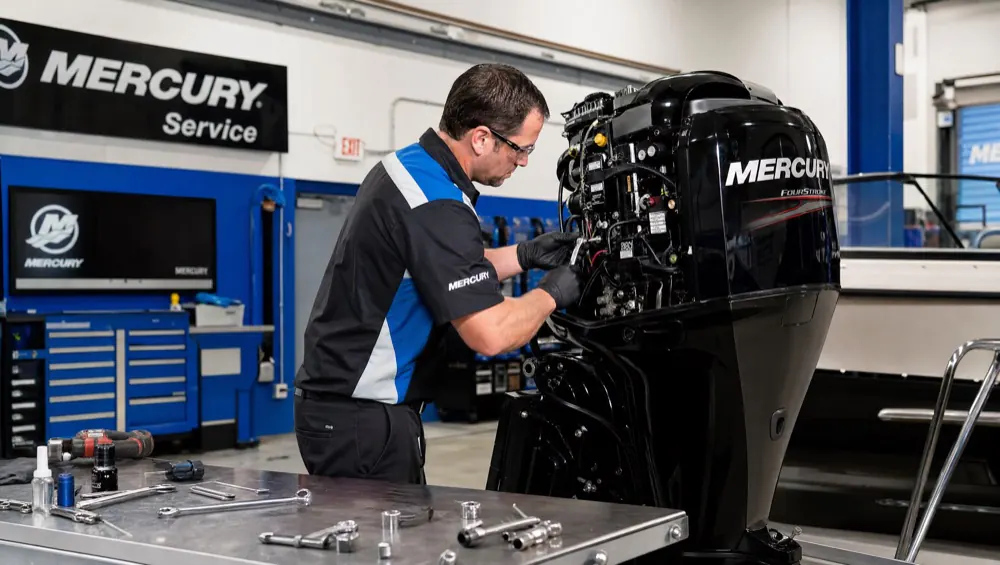
Intermittent or hard electrical faults can eat weekends fast. Our shop has marine electrical test equipment and the service history records to find faults quickly - book a diagnostic. Meanwhile, keep the terminals clean and the grease fresh; that alone prevents most of what we see. Call (586) 772-5556.