Before the first hard freeze hits Lake St. Clair, every weekend boater faces the same ritual: winterizing. Skip it and a cracked block, seized lower unit or corroded fuel system turns one bad season into a very expensive spring. Here is the complete Michigan boat winterization checklist our shop follows, in order.
1. Stabilize and treat the fuel
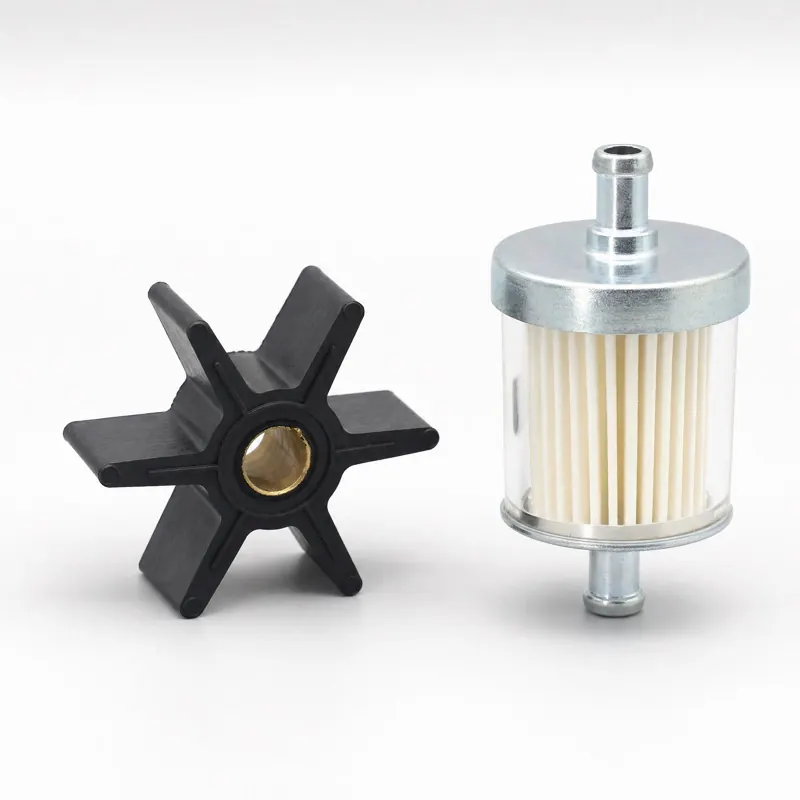
Top off the tank (less air = less moisture) and add a marine fuel stabilizer, then run the engine at idle for 10-15 minutes so treated fuel reaches the carbs or injectors. If your boat has an external fuel-water separator filter, plan on replacing it in the spring - or now, if it's been a season or two.
2. Fog the engine
Fogging oil coats the cylinders and protects them from rust over months of storage. With the engine running and muffs on, spray fogging oil into the intake until the engine stalls, then keep the throttle closed. Remove the plugs the easy way - most modern outboards have built-in procedures - or use the shop manual.
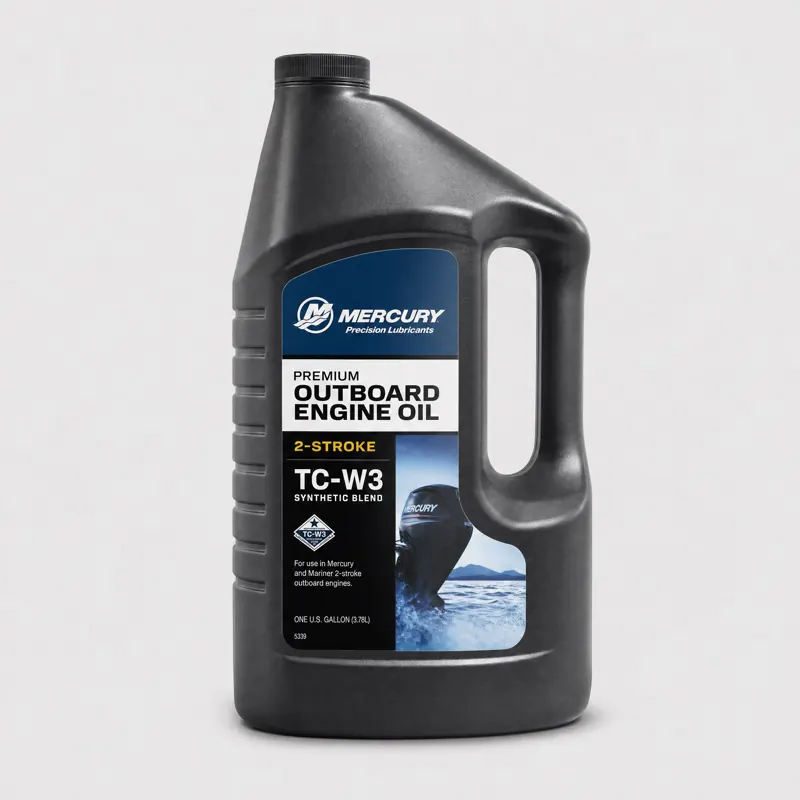
After fogging, change the gearcase oil. Milky or metallic gear oil is your early warning that the lower unit needs attention before winter, not after.
3. Change the oil and filter (4-strokes and sterndrives)
Run the engine up to temperature, then drain the oil while it's warm so contaminants stay suspended and drain out. Replace the filter, refill with the manufacturer-specified viscosity, and note the hours. Fresh oil prevents acid formation in a long-stored engine.
4. Flush and winterize the cooling system
Flush with fresh water using ear muffs if you're in a slip or on a lift. Then drain the block, manifolds and risers (sterndrives especially) and add the correct amount of marine antifreeze / non-toxic propylene glycol. For partially drained systems, run antifreeze through until it exits the exhaust.
5. Battery, electrical and fuel lines
- Remove batteries and store them on a maintainer in a cool, dry place
- Clean and grease battery terminals with dielectric grease
- Check fuel lines for cracks, chafe and soft spots - replace any aged hose now
- Inspect the propeller and shaft for fishing line, nicks and bent blades
6. Cover and store properly
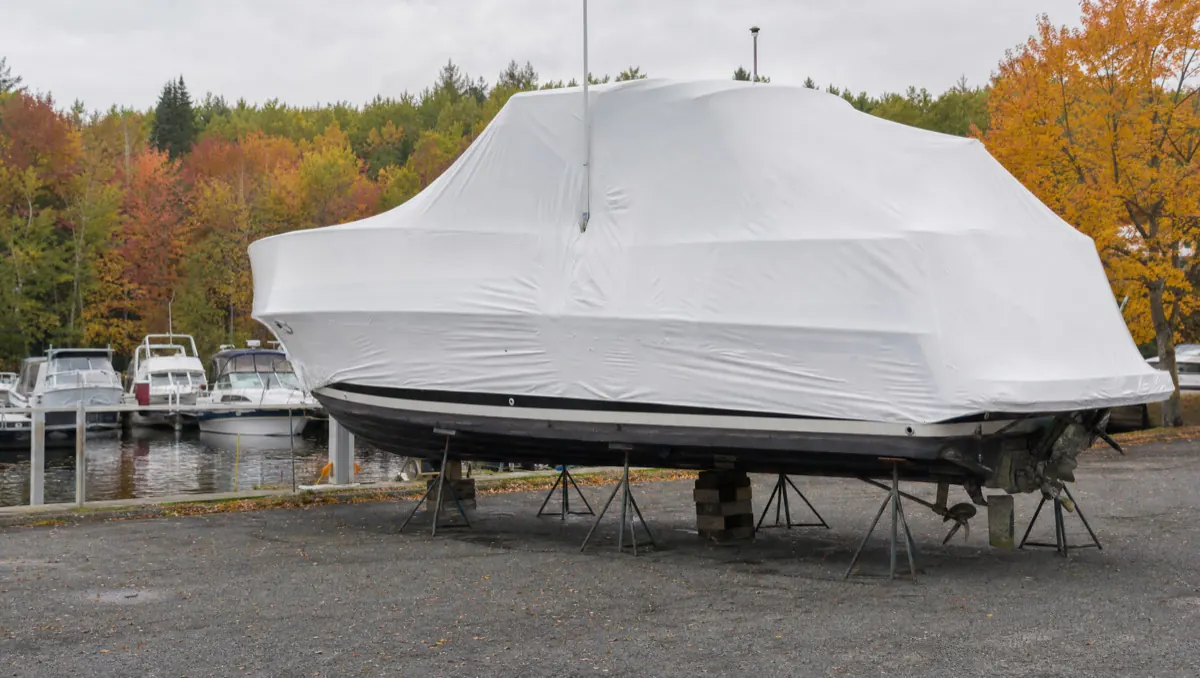
Indoor storage beats outdoor every time. If you're staying outdoors, a ventilated shrink wrap job (not a tight tarp) prevents moisture traps and mold. Support the cover so water doesn't pool, block the trailer tires, and leave the engine tilted down. See our guide to shrink wrap vs boat cover for the full breakdown.
Skip the DIY? We do this all season
Our technicians winterize Mercury, Volvo Penta, Suzuki and Yamaha outboards and sterndrives all fall - full-service winterization, shrink wrapping, and spring commissioning. Call (586) 772-5556 or book winterizing here.